Mood Tracker: The Playful Handwritten Font for Modern Design
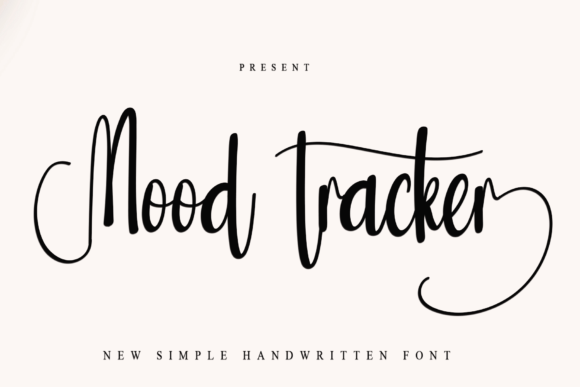
Discovering a font that feels both authentic and incredibly versatile is like finding a secret weapon for your creative projects. Mood Tracker is precisely that—a cool, simple, and playful handwritten font that injects life and personality into a wide pool of designs. Incredibly versatile, this font fits everything from branding to social media, elevating them to the highest levels. Add this font to your favorite creative ideas, and notice how it makes them come alive!
The Role of Authentic Typography in Visual Design
In today's saturated digital landscape, authentic visual communication is paramount. Typography is not just about legibility; it's a critical component of brand identity and user experience. A font like Mood Tracker offers a human touch that sterile, geometric typefaces cannot. Its handwritten style conveys warmth, creativity, and approachability, making it an excellent choice for projects aiming to build genuine connection. This aligns perfectly with modern design trends that favor personality and relatable aesthetics over cold, corporate uniformity.
Practical Applications for Creative Impact
The true power of a versatile font lies in its adaptability across various design contexts. Mood Tracker shines in numerous applications, serving as a valuable creative asset for designers, marketers, and business owners alike.
- Branding and Logo Design: Use it to create a distinctive wordmark or accent logo that feels personal and memorable, ideal for lifestyle brands, bakeries, or creative studios.
- Marketing & Social Media Graphics: Its playful character grabs attention in Instagram stories, quote graphics, and promotional banners, boosting engagement and shareability.
- Editorial & Web Design: Incorporate it for pull quotes, section headers, or call-to-action buttons to add a dynamic contrast to body text, enhancing visual hierarchy.
- Packaging Design & Merchandise: It translates beautifully onto physical products, adding a handcrafted feel to labels, apparel, and stationery that resonates with consumers.
Furthermore, it serves as a standout choice for digital presentations, advertising campaigns, and UI design elements where a touch of whimsy can improve user experience without sacrificing professionalism.
Integrating a Font Like Mood Tracker into Your Design Workflow
Successfully incorporating a distinctive typeface requires thoughtful strategy. First, consider readability and scalability. While perfect for headlines and short phrases, test it at various sizes to ensure clarity. Second, think about visual harmony. Pair Mood Tracker with a clean, neutral sans-serif or serif font for body copy to create a balanced composition. This contrast establishes a clear visual hierarchy, guiding the viewer's eye through your design.
Always evaluate a font against your existing brand system. Does its personality align with your color palette, imagery, and overall brand voice? Using it consistently across your touchpoints—from your website to your social media graphics—strengthens brand recognition and builds a cohesive identity. It’s a practical step in a professional design workflow that ensures all creative assets work in unison.
Choosing and Using Creative Assets Effectively
When selecting any design resource, prioritize quality and versatility. Look for fonts that include multiple weights, language support, and stylistic alternates if needed. A font like Mood Tracker, noted for its incredible versatility, often becomes a cornerstone asset because it solves multiple design challenges with a single, cohesive style. This efficiency is crucial for maintaining a streamlined workflow and ensuring consistency across all digital marketing and print design outputs.
Ultimately, the most impactful designs are those that communicate effectively and evoke the right emotion. Thoughtful typography choices, like opting for a font that carries personality and clarity, are fundamental to achieving this. By integrating high-quality, versatile creative assets such as Mood Tracker, you empower your projects to not only look polished and professional but also to connect with your audience on a more human level, turning simple ideas into compelling visual stories.