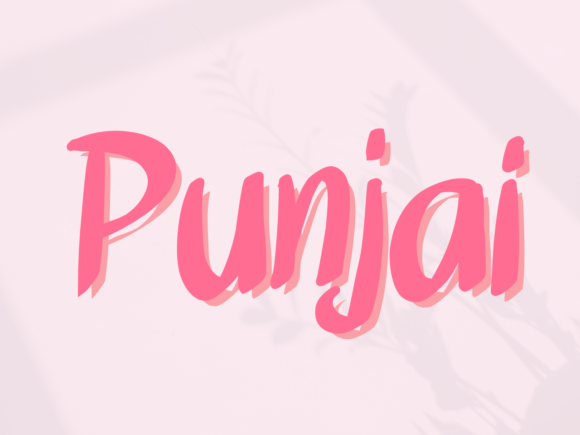
Punjai: A Handwritten Font That Radiates Joy
Imagine a design element that instantly injects warmth, personality, and a smile into any project. That’s the power of a well-chosen handwritten font, and Punjai is a standout example. This cute and quirky typeface is more than just letterforms; it’s a creative asset designed to add an incredibly joyful touch to your visual communication. In a digital landscape saturated with sleek, impersonal fonts, Punjai offers a refreshing dose of humanity and charm, making it a valuable tool for designers, marketers, and creators aiming to connect on an emotional level.
Understanding Typography's Role in Modern Design
Typography is the voice of your design. It dictates tone, guides the reader's eye, and reinforces brand identity. While sans-serifs project clarity and serifs suggest tradition, a handwritten font like Punjai communicates approachability, creativity, and authenticity. It’s a strategic choice within a broader graphic design toolkit, perfect for breaking visual monotony and establishing a distinct aesthetic. The key is using it with purpose—to highlight, not overwhelm, and to complement, not clash with, your overall design system.
Practical Applications for Maximum Impact
Punjai’s versatility allows it to shine across numerous creative projects, enhancing both digital and print designs. Its inherent cheerfulness makes it particularly effective where engagement and positive association are key.
- Branding and Logo Design: Use Punjai for logos, brand marks, or taglines for businesses that want to appear friendly and innovative—think boutique cafes, creative studios, or children's brands. It can be the cornerstone of a vibrant brand identity.
- Marketing and Social Media: Stand out in crowded feeds. Apply Punjai to Instagram stories, quote graphics, promotional banners, and email headers to create eye-catching social media graphics that feel personal and shareable.
- Packaging and Merchandise: Elevate product appeal. Punjai is ideal for packaging design on artisanal goods, cosmetic labels, or merchandise like tote bags and mugs, where a handmade feel adds perceived value.
- Editorial and Web Design: In editorial layouts, use it for pull quotes, chapter titles, or sidebar accents to add visual interest. On websites, it can enhance hero sections, blog post titles, or call-to-action buttons for a touch of personality, improving user experience (UX) through delight.
- Advertising and Presentations: Make campaigns memorable. A headline or key message in Punjai can cut through the noise. In presentations, it adds a creative flair to titles, making professional presentations more engaging without sacrificing clarity.
Integrating Punjai Effectively: A Designer's Guide
Adding a new font to your design workflow requires thoughtful evaluation. To ensure Punjai enhances rather than hinders your projects, consider these factors:
- Readability and Scalability: Always test at various sizes. Handwritten fonts excel at larger sizes for headlines but can lose legibility in small body text. Use it for display purposes and pair it with a clean, neutral font for paragraphs.
- Visual Hierarchy and Contrast: Leverage Punjai to create focal points. Its unique style naturally draws the eye, making it perfect for establishing a strong visual hierarchy. Ensure sufficient contrast with your background and other typographic elements.
- Audience and Context: Align the font's personality with your target audience. Punjai's joyful quirkiness suits youthful, creative, or casual brands but might be less appropriate for corporate or formal contexts. Always consider user expectations.
- Color and Composition: A font like Punjai pairs beautifully with bold, vibrant colors in a color palette or soft pastels. Its lines can interact dynamically with other design elements; ensure your composition remains balanced and uncluttered.
Ultimately, the most effective designs are built on intentional choices. Selecting a creative asset like Punjai is not merely about following a trend, but about strategically enhancing your visual storytelling. By thoughtfully integrating such quality typography, you elevate both the aesthetic appeal and the communicative power of your work, ensuring your message is not just seen, but felt. This mindful approach to design assets is what transforms good projects into truly memorable ones.